Loading...
Loading...

Weekly first-person posts on what I'm shipping, what broke, and what I'm thinking about. Written by Jean.
Two features in one release. The Library brings your own assets into the platform. The Workshop lets you share what you build here.
A dedicated app for Mac and Windows, with the session view that wants to live outside a browser tab. Public beta, both platforms, available today.
The live session moved to PixiJS, the action bar got a real surface, and the story card stayed as the DM's narrative tool.
Most platforms hand off maps to someone else's VTT. This is about closing the loop and testing what you built without leaving the tool.
Outsourcing a canvas sounded like a shortcut. The vendor pricing turned it into a tax. Building it with Konva was cheaper and better.
Some months are about features. This one was about everything underneath them: cleaning up, tightening boundaries, and observability.
A year in. The deadlines keep moving, the feature ideas keep multiplying, and I know more about the 5e SRD than any person should.
D&D players already live in Discord. The bot exists so the product can listen to them before the community gets large enough.
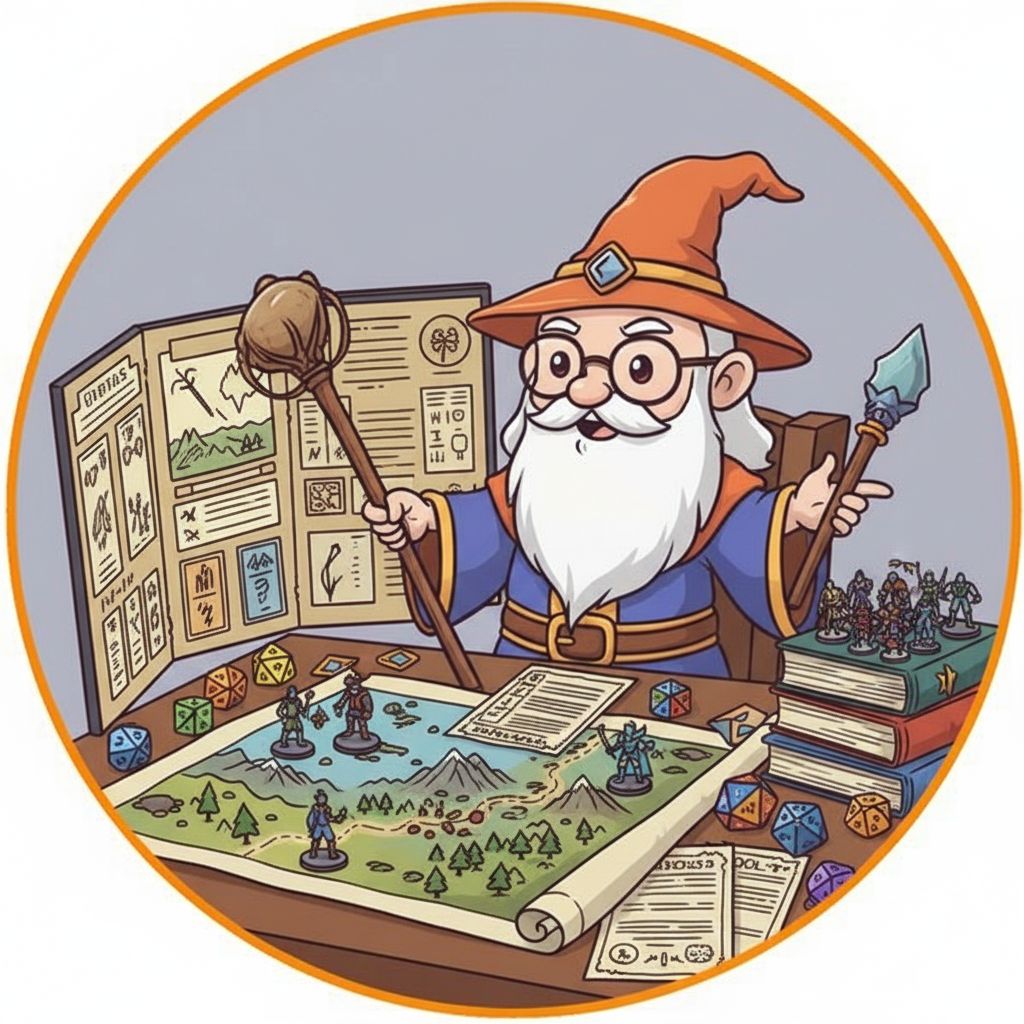
Running D&D online means juggling five tabs. The campaign manager and live session view are the start of putting all of that in one place.
Coming back from a long break, the right first move wasn't a new feature. It was the cleanup that had been bothering me before I left.
The work paused, the project never died, and Sisyphus kept it alive in my head. What solo building taught me about breaks.
Characters were one creature. Monsters and NPCs were the other two. The pipeline composed: the only kind of reuse that pays.
The voxel work ran out of pull. The D&D pivot happened because the energy was there and the infrastructure already pointed in that direction.
Picking voxels as the editing primitive, building a layers panel that didn't lie, and the UX fixes that made a 3D scene feel like a tool.
How D3Designs started: a friend's loaded question, the stack I already knew, and the shape of a 3D canvas before it was a D&D tool.